
Enhancing Law Enforcement Tactics With Firearms Training
In today’s dynamic environment, effective patrol work requires more than basic skills. Officers must seamlessly integrate both pistol and rifle proficiency into their daily duties. This article explores the importance of these firearms skills in patrol operations, offering insights on how law enforcement can enhance their capabilities. By understanding the challenges and embracing advanced training, officers can ensure they meet safety and operational standards effectively.
The Importance of Proficient Firearm Skills
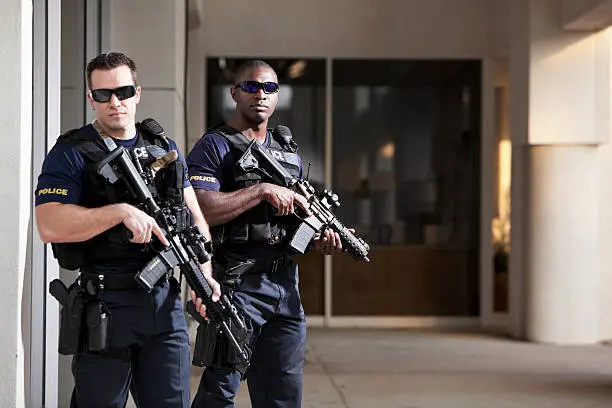
Pistol and rifle skills are crucial for law enforcement officials. They enable quick responses during critical situations, enhancing officer safety and public security. Advanced pistol and rifle proficiency ensures that officers are prepared to handle diverse scenarios. These skills allow police to transition smoothly between weapons as needed, providing tactical flexibility.
Maximizing Advanced Pistol and Rifle Proficiency
Advanced pistol and rifle proficiency is pivotal for effective patrol work. It involves mastering weapon handling, accuracy, and situational awareness. Officers with these skills can respond efficiently during high-pressure encounters, maintaining control over volatile environments. Continuous training helps refine these abilities, ensuring readiness at all times.
Challenges Faced During Integration
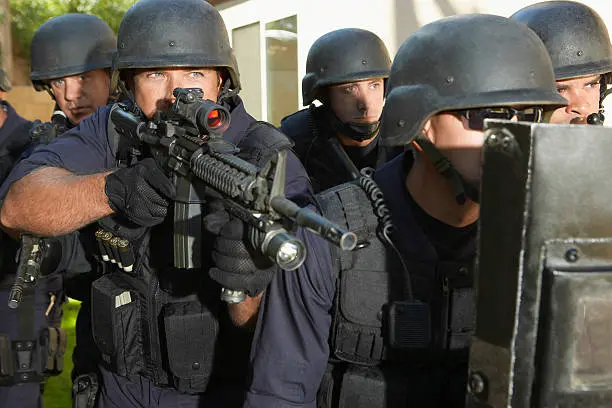
Integrating firearm skills into patrol work isn’t without obstacles. Officers may face resource limitations or time constraints impacting their ability to train regularly. Additionally, balancing patrol duties with ongoing training commitments presents a challenge. Departments must prioritize comprehensive training programs to address these hurdles effectively.
Implementing Effective Training Programs
Departments should implement structured training programs focusing on core skills essential for patrol work. These include:
- Shooting accuracy under stress
- Weapon transitions between pistols and rifles
- Tactical movement and positioning
Such programs should incorporate real-world scenarios to prepare officers for actual field conditions.
Best Practices for Firearms Training
Adopting best practices enhances training effectiveness. Regular drills help maintain skill levels, while simulation exercises provide practical experience. The inclusion of feedback sessions allows officers to understand areas needing improvement. Departments should encourage peer support to foster a collaborative learning environment.
Industry Standards and Requirements
Adherence to industry standards is vital for maintaining quality training programs. Departments must comply with regulatory guidelines set by law enforcement agencies. Ensuring instructor certification and using approved training materials maintains program integrity. Compliance ensures that officers receive up-to-date knowledge on firearm use and safety protocols.
Cost Considerations for Training Programs
Investing in comprehensive firearm training yields significant returns. While initial costs might appear high, long-term benefits include enhanced officer performance and reduced liability risks. Departments should consider equipment upgrades, facility maintenance, and instructor fees when budgeting for training initiatives.
Strengthening Patrol Strategies With Integrated Skills
By integrating advanced firearm skills into patrol work, law enforcement agencies can significantly improve their operational efficiency. Contact Bronson Defense at (615) 752-5262 for more information on our specialized training solutions designed to enhance officer capabilities. Our team is located in Gallatin, TN and ready to assist your department in achieving its training goals.